International GPA Conversion Explained
 Katherine AlexJanuary 13, 2026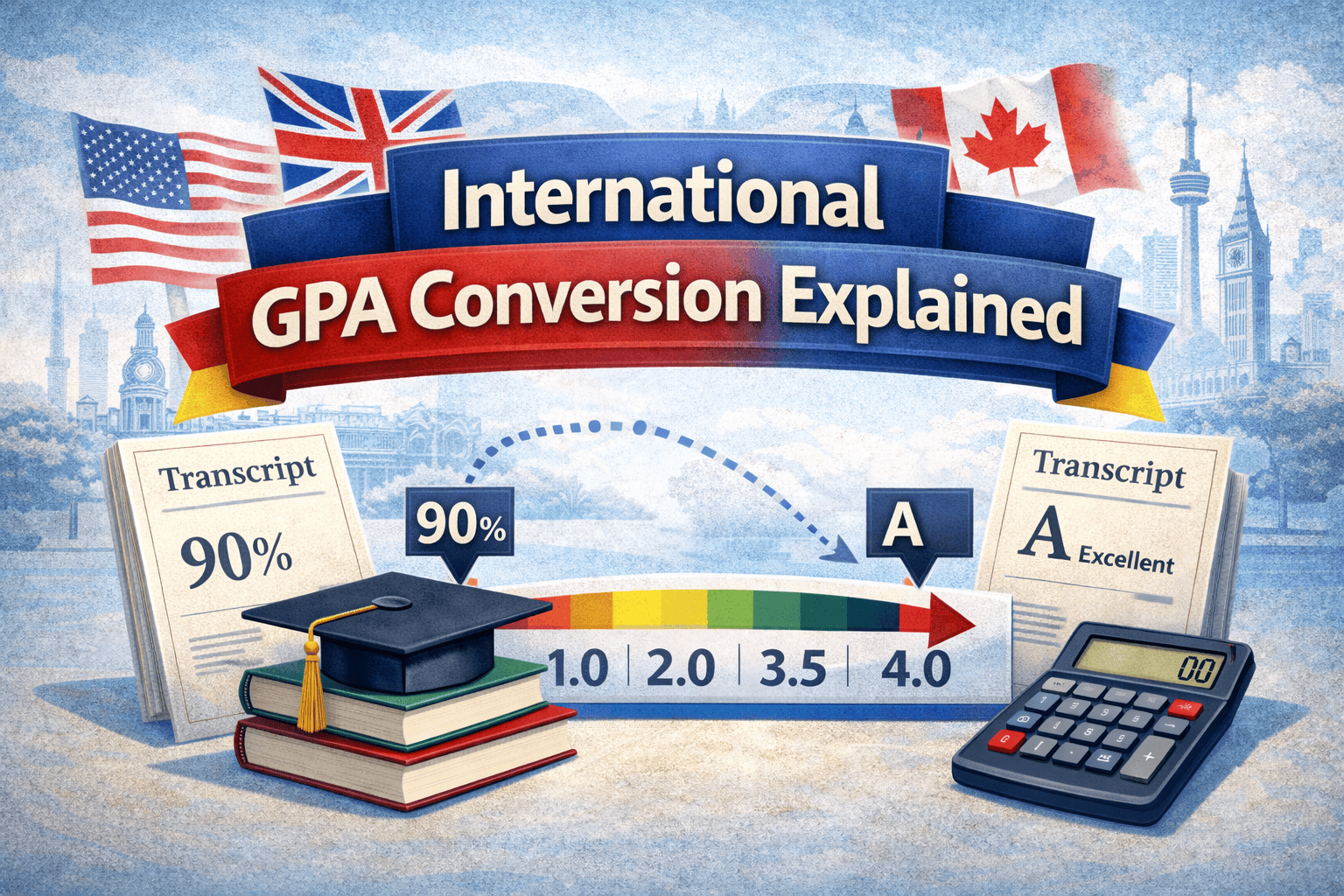
When students plan to study in another country, one common problem they face is GPA conversion. Every country follows its own grading system, which can make comparisons confusing. GPA conversion helps universities understand a student’s academic performance in a clear and fair way. Without conversion, it would be very hard to compare students from different education systems.
International GPA conversion is used by schools, colleges, and universities around the world. It helps admission offices see how strong a student’s academic background really is. For students, understanding GPA conversion early can save time and reduce stress during the application process.
What Is International GPA
International GPA is not a separate grading system. It is a way to compare grades from different countries using a common scale. For example, a student from one country may have percentages, while another student may have letter grades. GPA conversion brings these different grades to one standard format.
This system helps universities treat students fairly, no matter where they studied before. International GPA shows how a student performed compared to others in their own country. It does not change the original grades but helps explain them in a global context.
Why GPA Conversion Is Needed
GPA conversion is needed because grading systems are not the same everywhere. Some countries use a 4.0 scale, while others use percentages or different number systems. Without conversion, universities would not be able to judge applications correctly.
GPA conversion also helps students apply with confidence. It gives a clear idea of where they stand academically. This is especially important for competitive programs and scholarships. A proper GPA conversion helps avoid misunderstandings and unfair decisions.
Common GPA Scales Worldwide
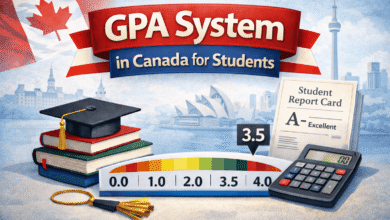
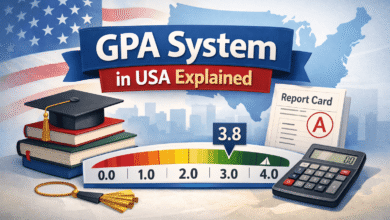
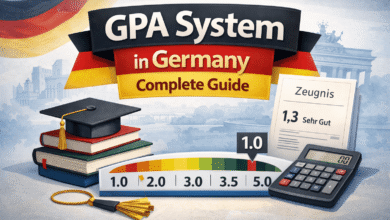
Around the world, many GPA scales are used. The most common one is the 4.0 scale, which is popular in countries like the United States and Canada. Other countries use percentage systems or different number scales. Each system measures performance in its own way.
Because of these differences, GPA conversion does not follow one fixed rule. Universities often have their own methods. Students should always check official guidelines before applying. Knowing the common GPA scales helps students understand how their grades may be viewed internationally. you can also read: GPA System in USA Explained
How GPA Conversion Works
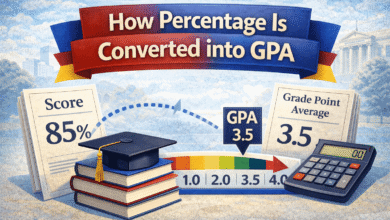
GPA conversion works by changing grades from one system into another system that universities understand. For example, a student may have grades in percentages, while the university uses a 4.0 GPA scale. In this case, the grades are matched with a GPA range. This helps universities see how strong a student’s performance is compared to their standards.
The process is not always exact. Different universities may use different rules for conversion. Some look at average scores, while others focus on final grades only. This is why students should not convert GPA on their own unless they are using official methods. Correct conversion gives a clear and fair picture of academic performance.
GPA Conversion for Admissions
GPA conversion plays an important role in university admissions. Admission teams receive applications from many countries, so they need a fair way to compare students. GPA conversion helps them decide who meets the entry requirements.
A strong converted GPA can improve admission chances, especially for competitive programs. However, GPA is not the only factor. Universities also look at subjects studied, grades trend, and sometimes personal statements. Still, GPA conversion is one of the first steps in the review process.
Tools Used for GPA Conversion
Many students use online tools to convert GPA. These tools give a quick idea of how grades may look on another scale. They are useful for planning, but they are not always fully accurate. Universities may use different systems than online tools.
Official GPA conversion tools from universities or education boards are more reliable. Some schools also ask students to submit original transcripts and do the conversion themselves. Students should always trust official sources more than general tools found online.
Common Conversion Mistakes
One common mistake students make is trusting unofficial GPA calculators too much. Another mistake is assuming all universities use the same conversion rules. This can lead to wrong expectations and disappointment.
Some students also compare their GPA directly with friends from other countries. This is not fair because grading systems are different. Understanding these mistakes helps students apply smarter and avoid confusion during the admission process.
Conclusion:
International GPA conversion helps students and universities understand academic results across different education systems. It makes the admission process fair and clear. By learning how GPA conversion works, students can apply with confidence and avoid common mistakes. A correct GPA conversion can make a big difference in international study plans.
FAQs:
Q1: Is GPA conversion the same for all universities?
No, each university may use its own conversion method.
Q2: Can I convert my GPA by myself?
You can get an idea, but official conversion is done by universities.
Q3: Do online GPA calculators give exact results?
They give estimates, not exact results.
Q4: Is GPA conversion important for scholarships?
Yes, many scholarships use converted GPA to judge applications.
Katherine AlexJanuary 13, 2026